


By AfriWave USA
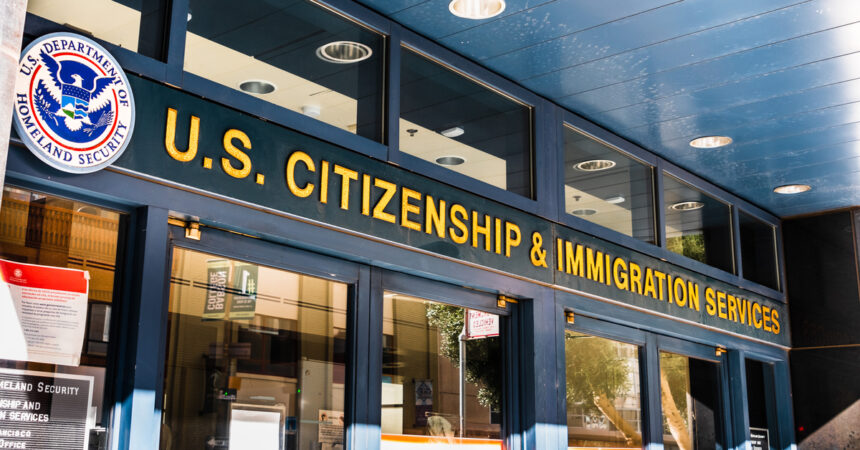
Since August, the Trump administration has moved to strip Temporary Protected Status from nationals of four African countries — Somalia, South Sudan, Ethiopia and Cameroon. For more than 1,100 Somalis, over 5,000 Ethiopians, and hundreds of South Sudanese and Cameroonian nationals living and working legally in the United States, the question is no longer whether TPS will end, but what happens to them once it does.
The Department of Homeland Security insists the moves are not political. In terminating each designation, then-Secretary Kristi Noem determined the countries “no longer met the statutory requirements for TPS,” following what DHS describes as a review of country conditions and consultations with other federal agencies. Somalia’s designation ended August 14. South Sudan’s ended August 7. Ethiopia’s followed on August 18, after a federal judge lifted a stay that had blocked it since January. Cameroon’s termination remains contested and has not yet taken effect.
A blocked path to court
What changed the calculus this year wasn’t just DHS policy — it was the Supreme Court. In Mullin v. Doe, the Court eliminated judicial review of TPS terminations, removing the main legal check that had, until recently, kept some of these decisions on hold. U.S. District Judge Allison Burroughs had issued a stay on Somalia’s termination in March; it no longer mattered. U.S. District Judge Brian Murphy’s stay on Ethiopia’s termination met the same fate in August. The litigation underlying both cases continues, but the practical effect — people losing status while their cases are still being argued — has already landed.
Advocacy groups aren’t accepting DHS’s stated rationale at face value. African Communities Together and the Partnership for the Advancement of New Americans, represented by Muslim Advocates, the Haitian Bridge Alliance and the Legal Defense Fund, sued in March to block Somalia’s termination.
The cliff nobody sees coming
For TPS holders, the most immediate impact isn’t a plane ticket out — DHS itself acknowledges termination “does not automatically mean every beneficiary will be deported.” It’s the loss of the Employment Authorization Document that lets them legally work. Somali TPS holders’ EADs — the categories marked A12 and C19 — are no longer valid. Employers are now required to reverify work authorization through Form I-9, which means anyone without an alternate legal status or a pending application can lose their job with little warning, in sectors — home health care, warehouse and food-processing work, rideshare driving — where East African workers are concentrated in cities from Minneapolis to Columbus to here in Florida.
Ethiopia’s situation differs in one important respect: because litigation is ongoing, TPS and work authorization remain intact for now, even though the termination has been cleared to proceed. That distinction — visible in court filings but rarely explained in wire coverage — matters enormously to someone trying to figure out whether they can renew a lease or keep a job.
What’s next
TPS holders who lose status aren’t necessarily without options. Some may qualify to file for asylum — itself now under heightened DHS scrutiny, with roughly 3.5 million cases pending in immigration courts nationwide, including 2.3 million defensive asylum claims. Others may pursue family-based or employment-based paths to a green card, though DHS has emphasized that neither asylum nor any other discretionary benefit is guaranteed simply because someone meets the technical eligibility bar.